
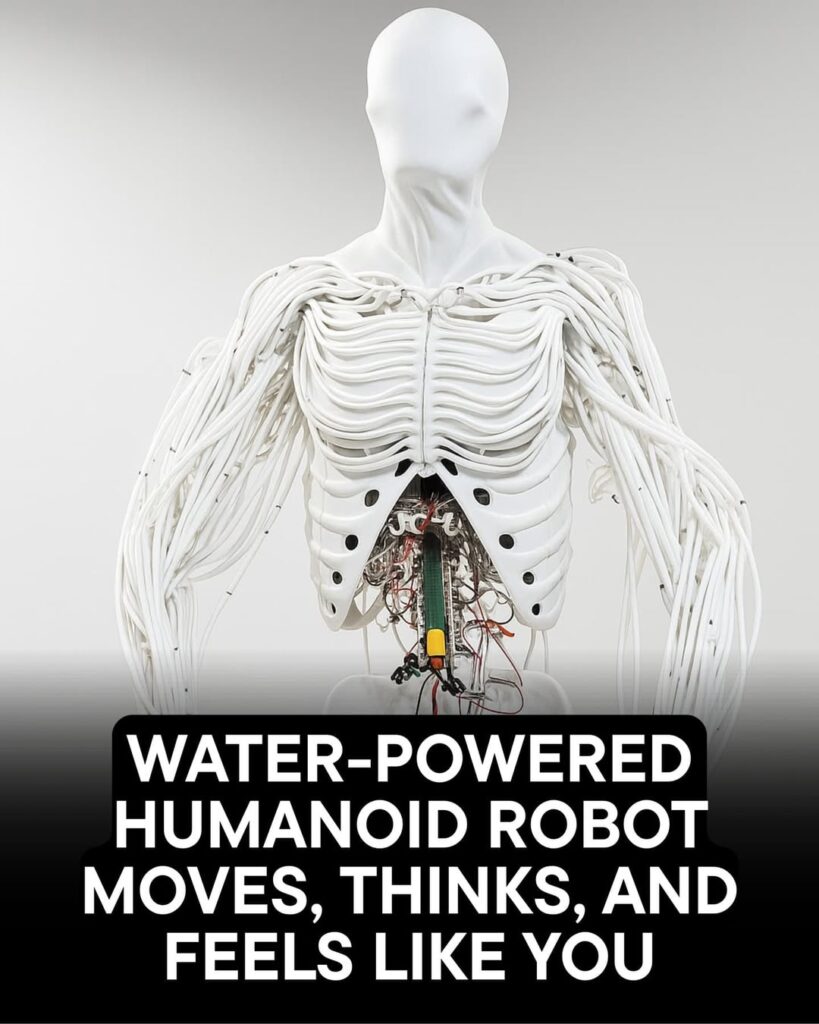
Examine the main distinctions between artificial intelligence (AI) and human intelligence (HI) as well as its advantages, disadvantages, and potential future cooperation.
Learn how human and AI collaboration is influencing the future innovation, creativity and world advancement along with virtualsocialhub.com
Introduction
Artificial Intelligence has quickly moved from being a future idea to a strong reality that effects all areas of our lives such as healthcare, business, education and entertainments.
Because it can handle huge amounts of information, find patterns and work much faster than humans, AI is often viewed as a competitor to human intelligence.
This has led to one of the most interesting discussions today.
In this article there is detailed analysis of will AI one day become smarter than humans, or will it remain a tool that help humans doing better?
The human intelligence is more than just thinking and calculating.
It includes creativity, feelings, morals and the ability to deal with unexpected situations-things that AI still find shared to do.
While machines are great at being exact and efficient, humans bring understanding, imagination and a sense of right and wrong while making decisions.
The future of this world may not be about AI taking but rather about how AI and human intelligence can work together to face big challenges and create a better, more balanced future.
Brief Overview of Human Intelligence (HI)
The human intelligence (HI) is the special skill of the human mind to learn, think clearly, adjust and use knowledge in many different situations.
It is more than just solving problems or thinking logically.
It also includes being creative, understanding emotions, making ethical choices and interacting with others. The human intelligence contains:
- Cognition
- Emotional Intelligence
- Creativity
- Adaptability
1. Cognition
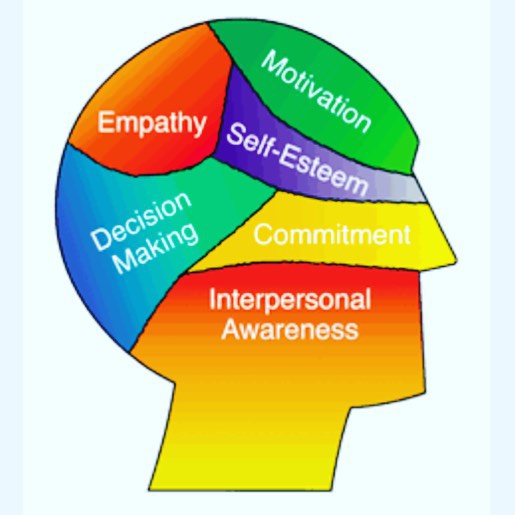
The cognition lets people to gain knowledge and understand different things.
It includes thinking, learning, remembering and solving problems.
2. Emotional Intelligence
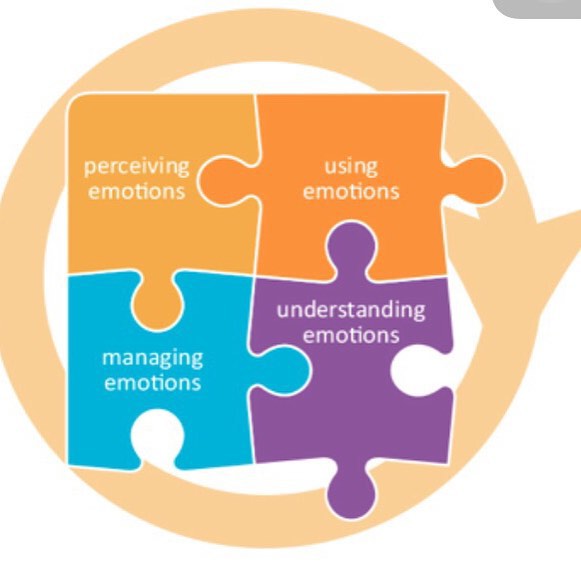
Emotional Intelligence has aim to recognize and manage human’s feelings and understand emotions.
It helps with communication, making decisions and forming strong relationships.
In human intelligence, emotional intelligence makes humans unique by mixing logic with empathy and awareness of others.
3. Creativity
The creativity is an Important part that lets people think outside of usual ways and come up with new and original ideas.
It helps with innovations by combining imagination with ability to solve problems.
4. Adaptability
The adaptability is the ability to change how people think and act experiences, deal with uncertainty, and use their knowledge in new and unexpected ways.
Brief Overview of AI
A part of computer science that helps on generating various systems is Artificial Intelligence (AI).
Its tasks are learning, making decisions, solving problems, and understanding language.
Since in the mid of 20th century, AI has developed a lot.
AI was based on using symbols and logic, but now it’s mostly about machine learning and deep learning.
- Machine Learning (ML): A part of artificial intelligence that lets systems to learn from data, find patterns and get better at doing things without being told exactly what to do step by step. It is used in things like suggesting content, spotting fake activities and understanding spoken words.
- Deep Learning (DL): A part that uses networks of layers. It helps in making things like speech recognition, picture analysis and autonomous vehicles possible.
Types of Artificial Intelligence Based on Capability
Here virtualsocialhub.com enlisted the types of AI based on its capability:
- Artificial Narrow Intelligence (ANI)
- Artificial General Intelligence (AGI)
- Artificial Superintelligence (ASI)
Artificial Narrow Intelligence (ANI)
It is also known as ‘weak artificial intelligence’ that follows the instruction given by humans.
The software apps like Siri, Alexa and filters are its examples.
Artificial General Intelligence (AGI)
Artificial General Intelligence is a kind of AI that imagined understanding of different areas.
It includes recognizing faces or playing online games like chess.
Artificial Superintelligence (ASI)

Artificial superintelligence would outsmart human beings in every way.
It includes creativity, emotional intelligence and problem solving.
The chat GPT is the best example of ASI.
Types of Artificial Intelligence Based on Functionality
Let’s prospect what are the types of AI that are based on its functionality:
- Reactive Machines
- Limited Memory
- Theory of Mind
1. Reactive Machines

The reactive machines work with current data, producing a preset output in response to certain set of input.
It they lack memory; they are unable to draw conclusions from past.
IBM’s Deep Blue, the Chess playing computer that famously defeated a human grandmaster, is a prime example.
2. Limited Memory
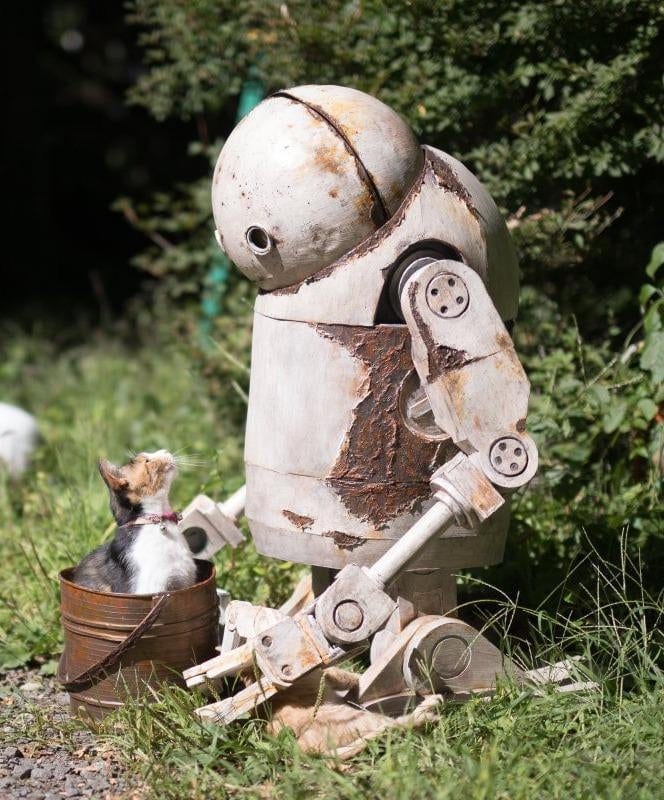
It briefly stores and uses historical facts to inform judgements.
It enables to learn and gradually enhance their performance.
AI with limited memory is unable to create and preserve a personal history of experiences, in contrast to reactive computers.
3. Theory of Mind
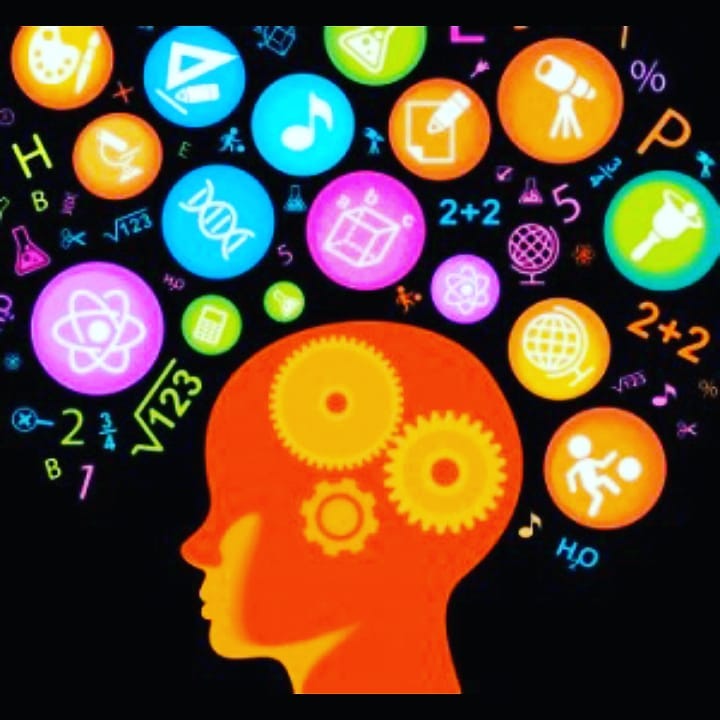
The theory of mind is categorized as the huge advancement.
The human ideas, human feelings, beliefs and emotions might be understood and molded by an AI.
Detailed Overview of Artificial Intelligence Vs. Human Intelligence
Both artificial intelligence and human intelligence are ways of handling information, tackling problems and adjusting to the environment.
AI is made by human using technology to copy how humans think, while human intelligence comes from how humans evolved, their awareness and their experiences with others.
Let’s have a look on how both of them works partly from each other:
- Learning through adpation
- Creativity vs. Innovation
- Emotional understanding
- Consciousness and Self-Awareness
- Processing speed and acuracy
- Can AI be Imaginative as Humans are?
1. Learning Through Adaptation
The human brain can change and grow neuroplasticity, which let them to learn from different experiences, think about abstract ideas, and use common sense to tackle the situation.
This ability comes from both biology and how a man can interact with others which helps to be creative and flexible.
On the contrary, the artificial intelligence learns by following set of rules and using huge amounts of organized data.
Even though AI can adjust within its limits, it has trouble with completely new or unexpected situations.
Because of this, human intelligence is better at solving real problems that need intuition and making ethical decisions, while AI is more effective at tasks that are structured and rely on data.
2. Creativity vs. Innovation
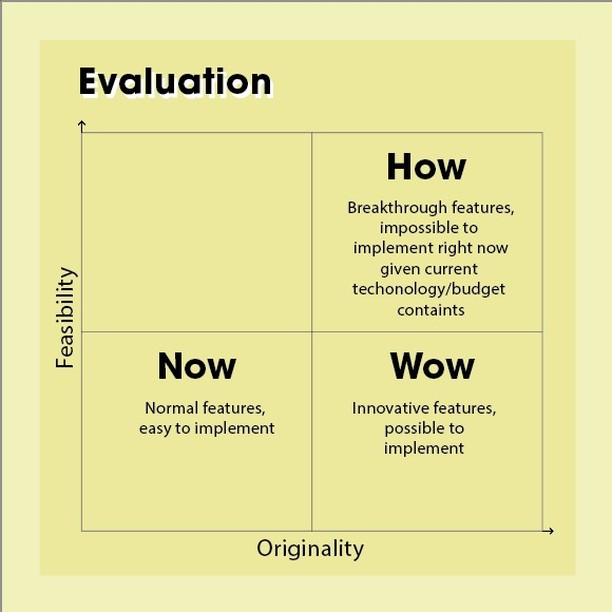
Creativity is the ability to come up with new and original ideas, while innovation is the process of taking those ideas and actually use them to make something valuable.
The human creativity comes from personal experiences and feelings, which help in creating ideas that are truely unique and meaningful.
AI’s version of creativity is based on calculations and patterns found in data, so it creates new combinations by looking at what already exists.
AI cannot come up with something completely new that goes beyond the information it has been trained on.
AI helps with the creative process, but real innovation that needs fresh thinking and human judgement still happens through people.
3. Emotional Understanding

Human intelligence has a real, biological ability to understand emotions.
It is based on awareness and the ability to empathize, which lets human to understand emotions.
On the other hand, AI’s has ability to understand emotions made by computers.
4. Consciousness and Self-Awareness
The human consciousness and self-awareness are personal, inner experience that includes emotions, feelings and the ability to know one’s own thoughts and existence.
The artificial intelligence has not clear consciousness like humans do.
Most of the scientists and philosophers agree that artificial intelligence is just a smart tool, not a soncious being.
Whether artificial intelligence can ever become truly conscious, is still a big question that people are debating a lot.
5. Processing Speed and Accuracy
When it comes to speed and accuracy, artificial intelligence has a big edge over human intelligence.
AI can look at and work with huge amounts of data in just fraction of a second, doing maths and spotting patterns much faster than humans.
Even though the humans can do amazing things like solving complex math problems and recognizing patterns, but a man’s brain limits make the work slower and more likely to make errors, especially when dealing with lots of similar tasks.
6. Can AI be Imaginative as Humans are?
AI’s imagination is not like a human.
It can’t be creative in the same way because it does not have the key things that make humans creative.
AI creates the content that looks creative by looking at a lot of data and mixing it, making new things.
This is called algorithmic creativity.
Although it can make surprising things and is really good at tasks like making new music or images based on style, it can’t make sudden unexpected ideas from real life.
The strongest and most meaningful creative work still comes from humans because they can understand situations, feel for others and create with clear purpose and meaning.
Artificial Intelligence Vs. Human Intelligence: The Future Ahead
The future of artificial intelligence is not about AI taking over humans, but rather working together with humans in a way that combines their strengths.
The experts agree that AI won’t completely replace human intelligence.
Instead, it will act as a powerful tool that helps humans do their job better, leading to a new team work between people and machines.
1. The Changing Job Market
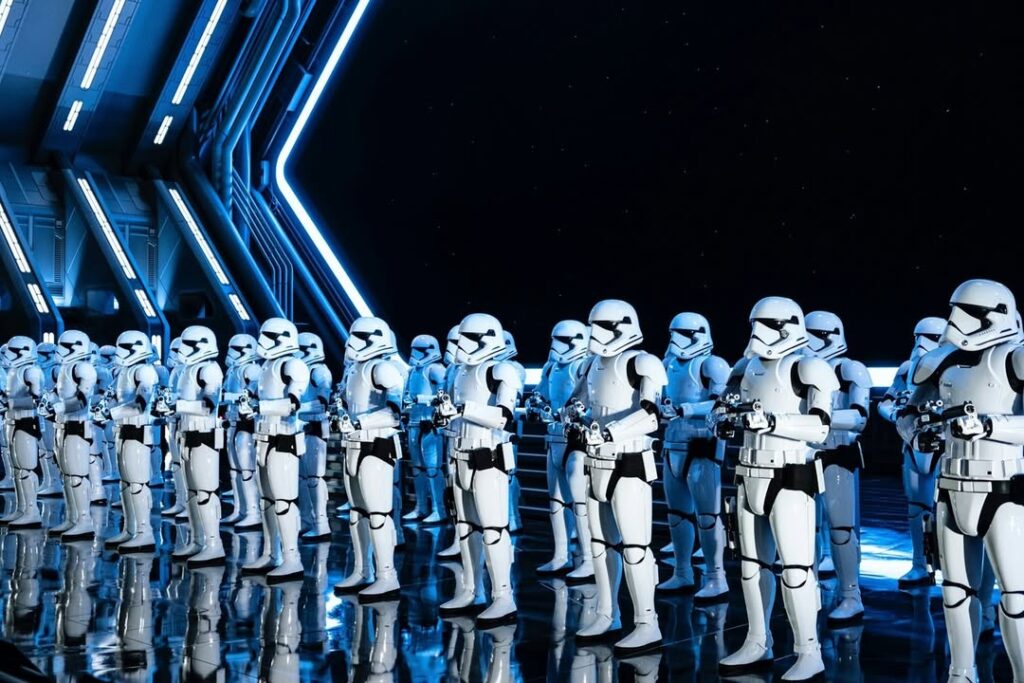
The biggest and most notice effect of AI will be on the job market.
AI is taking over repetitive, data heavy , predictabel tasks in many areas.
The jobs like entering data, some parts of customer service and adminstrative work are being done by AI instead of people.
AI is also creating new jobs and that need different skills.
There need a lot pf people who understand the ethics of AI, write instructions, buil and improve AI system.
In many jobs, AI work as assistant and helper, not a replacement.
It can assist doctors in analyzing medical images, letting them focus more on patien care and making complex decisions.
2. The Growth of Hybrid Intelligence

The future will be shaped by hybrid intelligence, where the best parts of AI and HI work together.
AI is good at doing things quickly, accurately and handling a lot of data.
The humans bring emotional intelligence , the ability to make moral decisions, creative thinking and the skill to understand and deal with complex social situations.
The humans alos have ability to handle new and unkown situations that AI hasn’t been trained for.
3. Ethical Issues and Importance of Rules

As AI becomes part of daily life, it brings up important ethical issues that need to be addressed.
Sometimes it’s hard to understand how AI make its decisions, which makes it hard to know who is responsible if something goes wrong.
Conclusion
In the ongoing discussion about Artificial Intelligence (AI) and Human Intelligence (HI), it’s clear that each has its own special strengths that are important for the future.
AI is great at working fast, being accurate, handling large amounts of data, and automating tasks, which makes it a strong tool for creating new ideas and improving efficiency.
Meanwhile, HI is strong in areas like creativity, understanding emotions, making ethical choices, and adapting to new situations—things that machines still find hard to do.
This shows that AI isn’t here to replace human intelligence, but instead to work together with it and help people reach their full potential.
The future of our world will rely on finding a good balance between AI and HI.
By using AI’s ability to process information along with the compassion, knowledge, and moral judgment that humans bring, society can make big progress while staying true to ethical values.
The main idea is teamwork—where AI helps people grow without taking over, making sure that any progress is helpful, responsible, and centered around what it means to be human.
FAQs
1. Describe the disctinction between artificial inelligence and Human Intelligence?
AI is fast, accurate, and makes decisions based on data, while HI includes creativity, emotions, and the ability to make ethical choices.
2. Can AI replace human intelligence completely?
No, AI can do many tasks automatically, but it can’t copy human creativity, empathy, or the ability to make moral judgments.
3. Why is human intelligence still important in the age of AI?
Humans can adapt, understand emotions, and think critically—qualities that machines can’t fully develop.
4. How does AI benefit humans?
AI helps work faster, handles repetitive jobs, processes large amounts of data, and supports new ideas in various fields.
5. What are the limitations of AI compared to human intelligence?
AI can’t understand emotions, make ethical choices, or think beyond what it’s programmed to do.
6. Can AI and human intelligence work together?
Yes, AI can manage complex data, while humans offer creativity and ethical guidance, making a strong team.
7. Is AI smarter than humans?
AI can outperform humans in certain areas like math or spotting patterns, but it can’t match the full range of human intelligence.
8. How does human adaptability differ from AI learning?
Humans adapt through experience, feelings, and gut instincts, while AI learns only from data and rules.
9. What is the future of AI vs. HI?
The future will likely involve both AI and human intelligence working together, with AI supporting human skills rather than replacing them.
10. Should we fear AI taking over human roles?
Not if we use and control AI wisely. It’s a tool, and its effect depends on how we manage it.